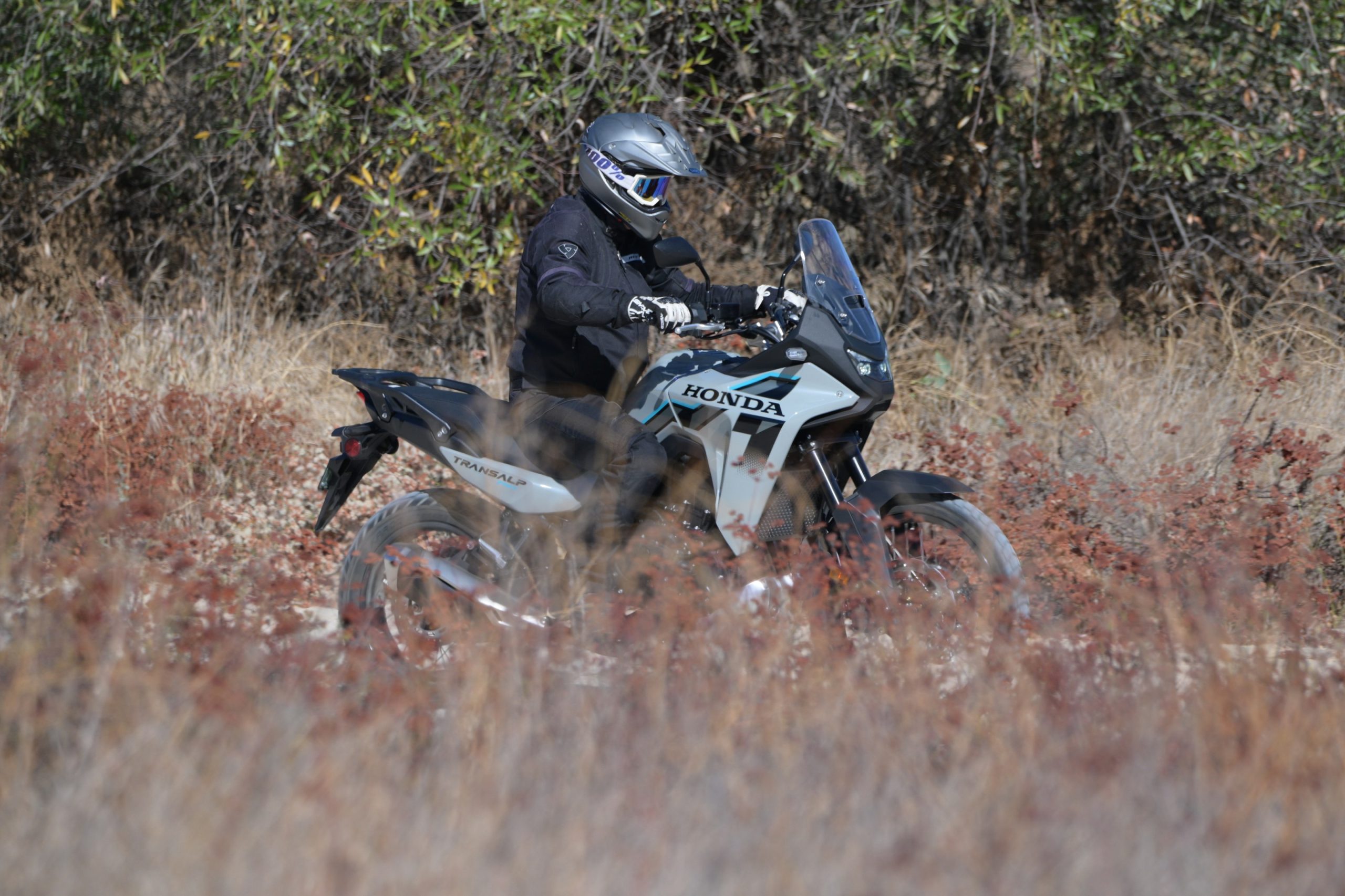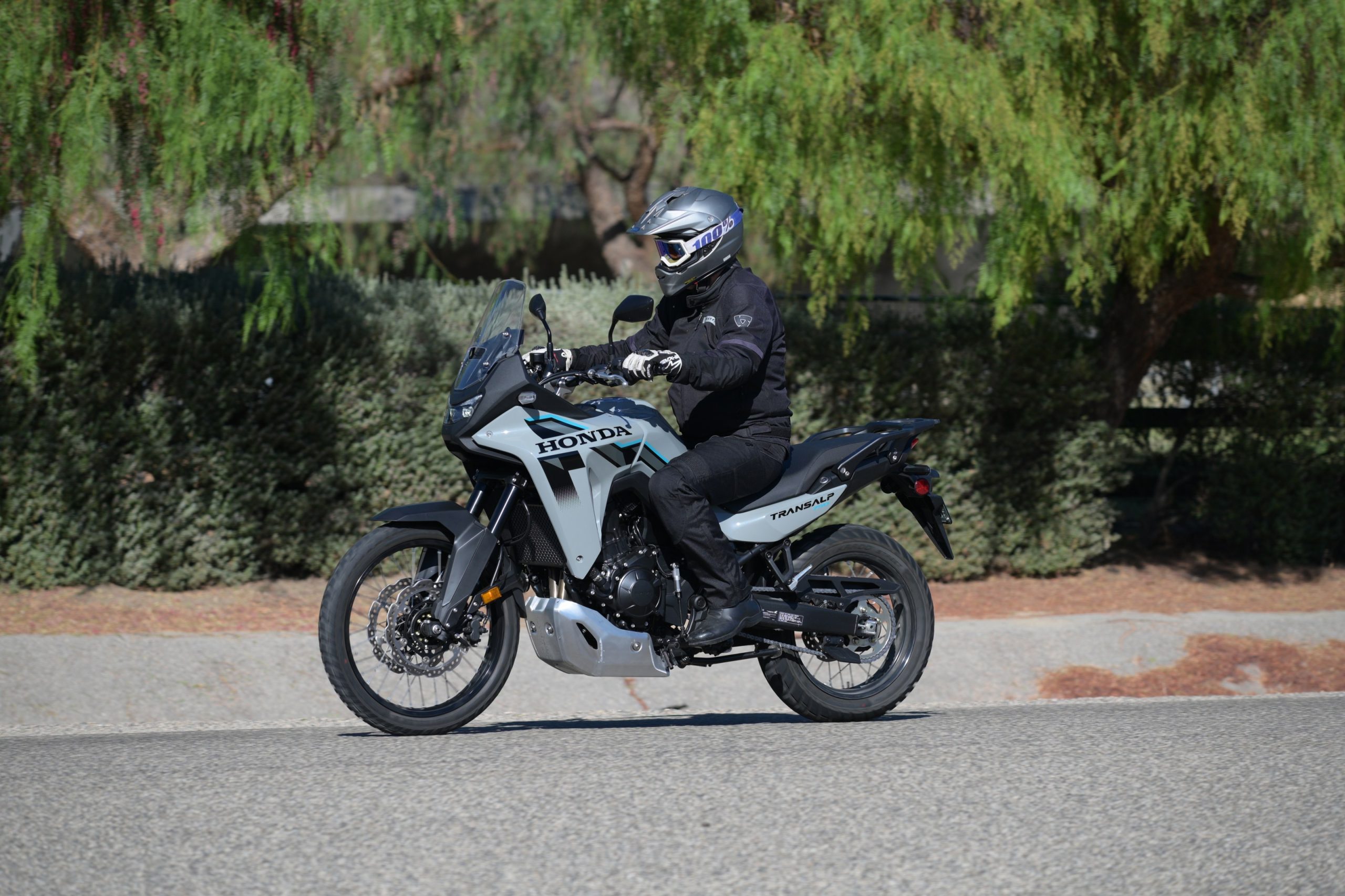
The 2026 Honda Transalp E-Clutch was made available to us for testing. Although the modern Transalp has been around for several years now, the 2026 model has some interesting updates.
Still powered by a 755 cc parallel-twin, the 2026 model receives new, fully-adjustable Showa suspension, and Honda’s E-Clutch system (more about this below).
MD is no stranger to testing middleweight adventure bikes. I owned and modified a KTM 790 Adventure. I have also also tested several of the bikes that compete directly with the Transalp, including a recent test of the Suzuki V-Strom 800.
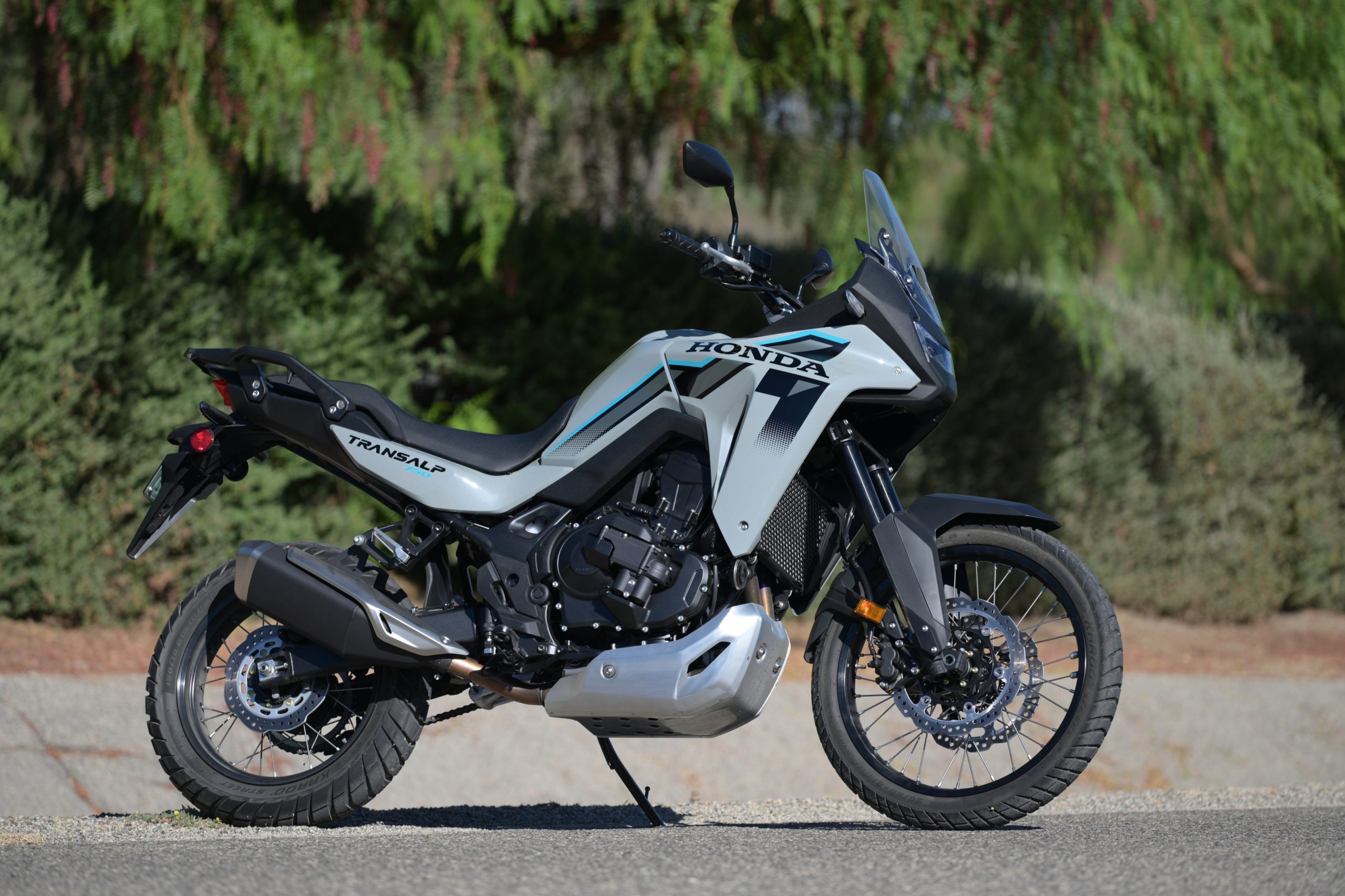
Frankly, the Honda blew me away. This is a very well sorted motorcycle, that is both functional and extremely fun. Let’s get the technical stuff out of the way before I discuss the riding impression in greater detail.
As I mentioned earlier, the engine is a 755cc parallel-twin. Crank horsepower is rated at over 90, and the power delivery is extremely linear. Compared to the V-Strom 800 we recently tested, there is perhaps a little bit less mid-range, but much greater top-end power available from the Transalp.
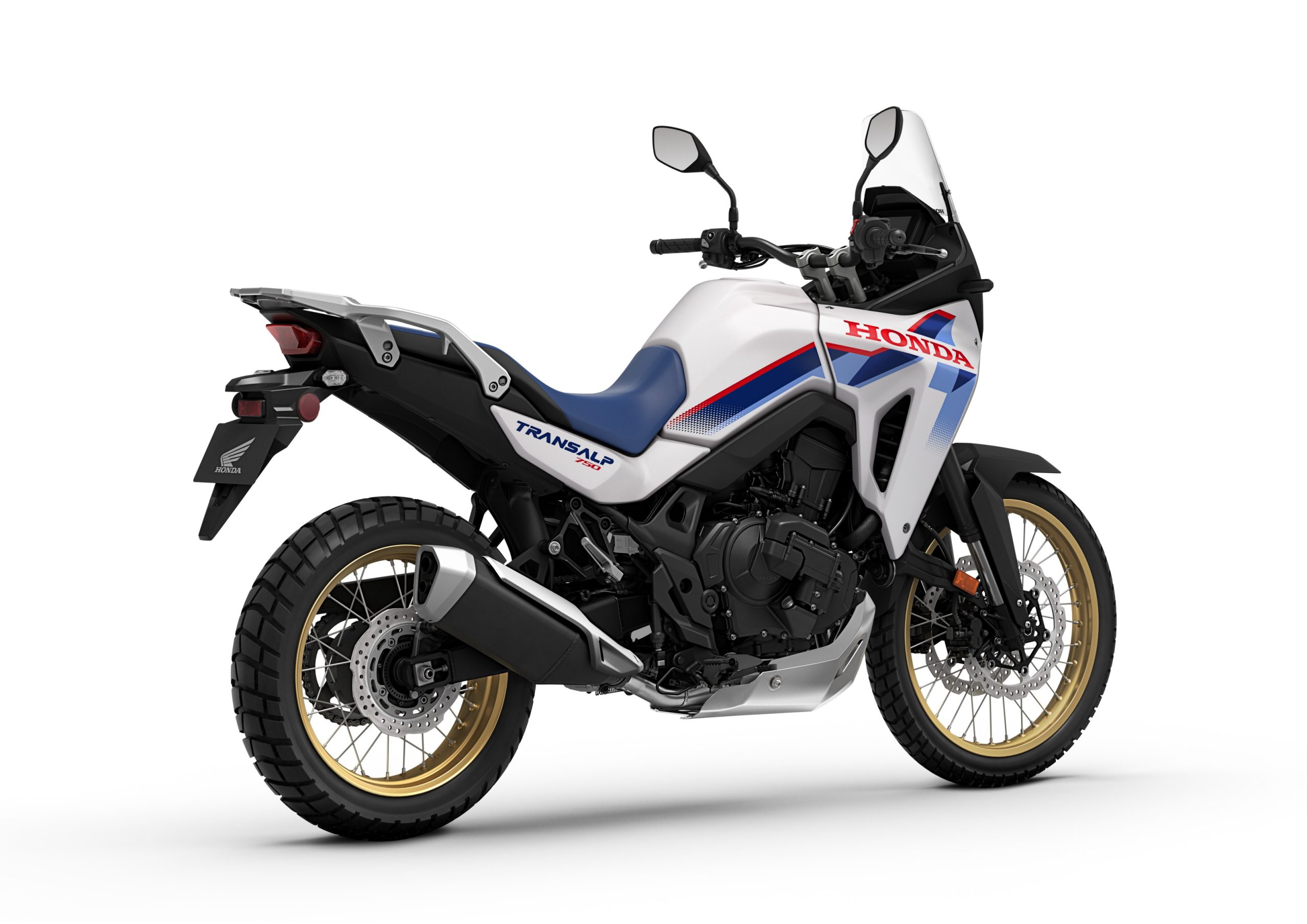
In dirtbike tradition, it has a 21 inch spoked front wheel and an 18 inch spoked rear wheel. Interestingly, Honda opted for wheels that require tubes. Our test bike was fitted with Metzler Karoo Street tires.
The front fork offers 7.9 inches of travel. It is a Showa SFF-CA, and it is adjustable for both compression and rebound damping. The rear Showa shock has 7.5 inches of travel, and is also adjustable for compression and rebound. These units are new for 2026.
The Honda offers five ride modes. You can select Sport, Standard, Rain, Gravel, and a custom setting. The rider can adjust not only power delivery, but engine braking force and ABS intervention levels.
The bike comes with a six-speed transmission, and the brakes include two 310mm front disks and a single 256mm rear disc.
The bike also features a standard skid plate that appears to offer pretty generous protection. But the biggest news, perhaps, is the availability of the E-Clutch feature.
The E-Clutch is interesting. You could come to a stop without using the clutch, pull away without using the clutch and, of course, shift up and down without using the clutch. At the same time, if you want to grab the clutch and use it in a traditional manner, you can do so.
The bike offers a 4.4 gallon fuel capacity, and weighs a claimed 463 pounds with all fluids and a full tank of gas.
Riding the Honda is deceptive, at first. The bike is so smooth, and the engine pulls in such a linear fashion, that it may take you a while to appreciate how quick it is for a 755cc twin.
The ergonomics are fairly standard for an adventure model. Upright seating position, easy reach to the bars and reasonably generous legroom combined with good wind protection for my 5’11” frame.
The new Showa suspension units are very good. They don’t offer as much travel as a hard-core adventure off-roader, but a decent amount more than most road bikes. The spring rates and damping were chosen very well by Honda. At 200 pounds, while pushing the bike hard on the street, the suspension stayed in the sweet spot of its travel. Never bottoming, and never wallowing.
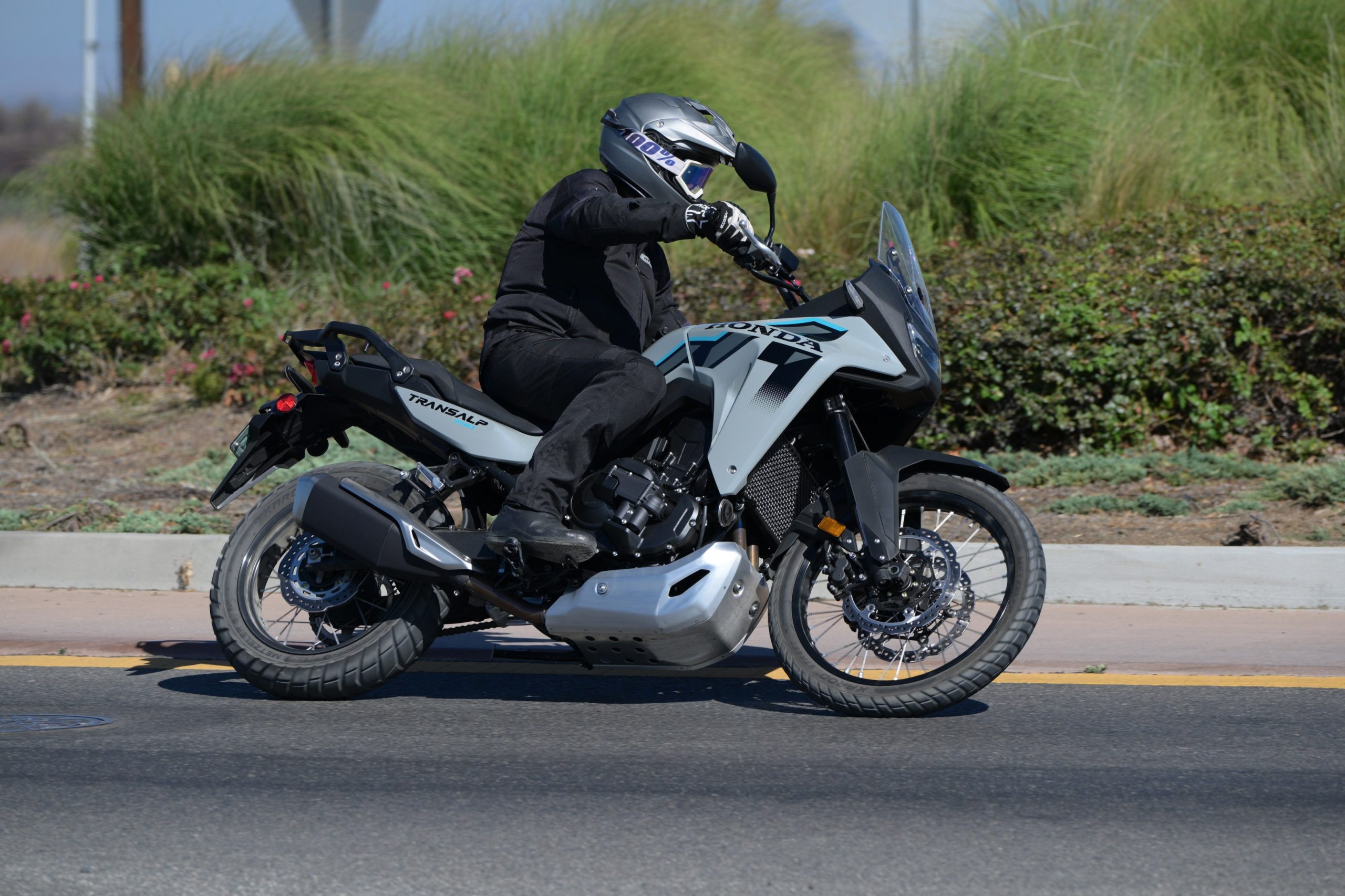
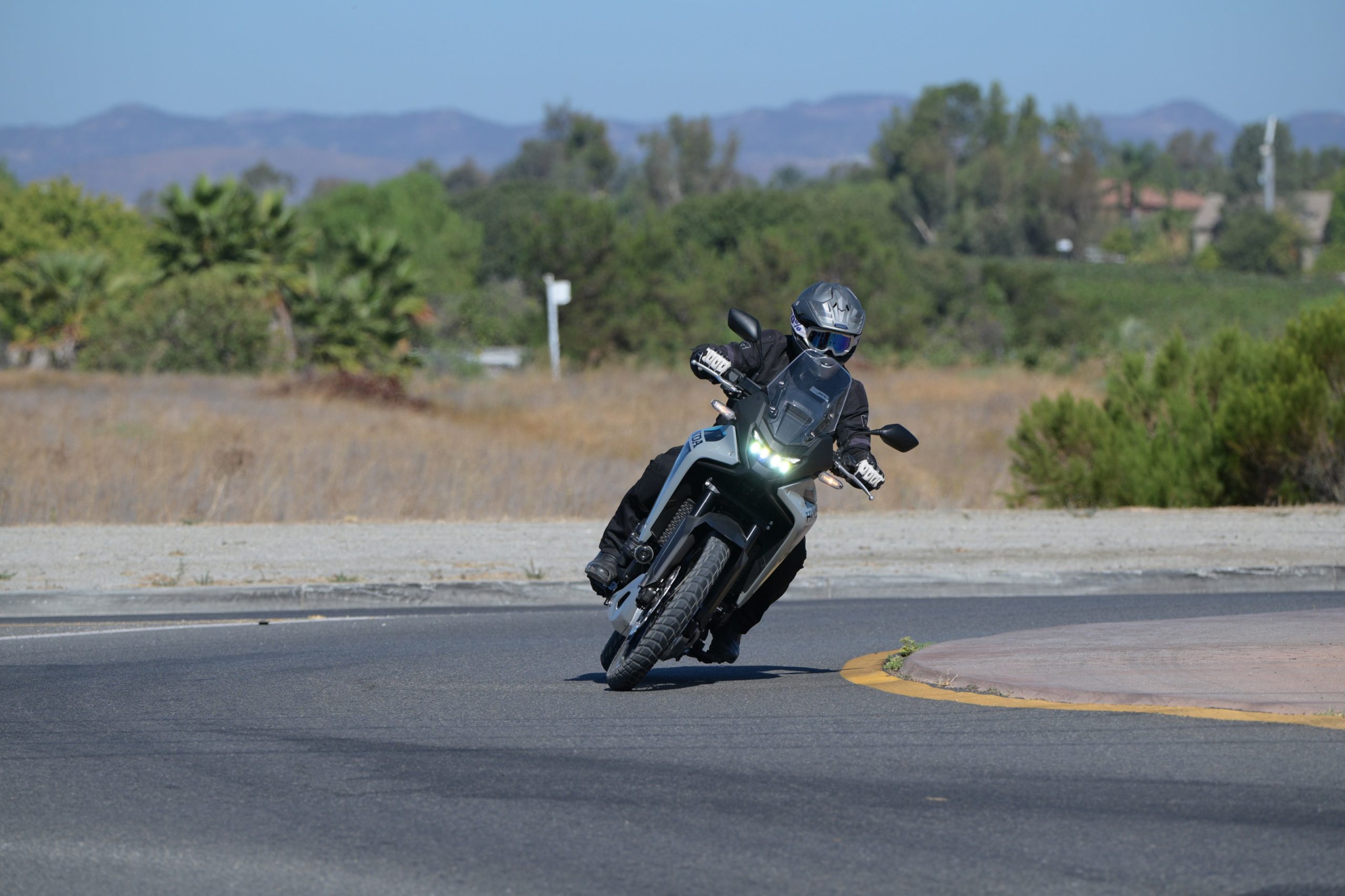
This makes the rider feel totally in control. Honda also dialed the geometry of the steering so that it provides excellent agility and feedback from the Metzler tires. The 90/90–21 front Metzler provided a shocking amount of grip and feedback while cornering on the street.
You don’t need to get used to the E-Clutch. It’s just there with more features than a standard clutch. Out of habit, I typically pulled the clutch in when coming to a stop. Nevertheless, if you want to come to a stop without using the clutch, and then pull away, the system is quite smooth – without some of the jerking associated with prior, similar attempts by other manufacturers. I found clutchless up-shifts and down-shifts were seamless, and better than I have felt on any other bike with a medium or large displacement, twin cylinder engine.
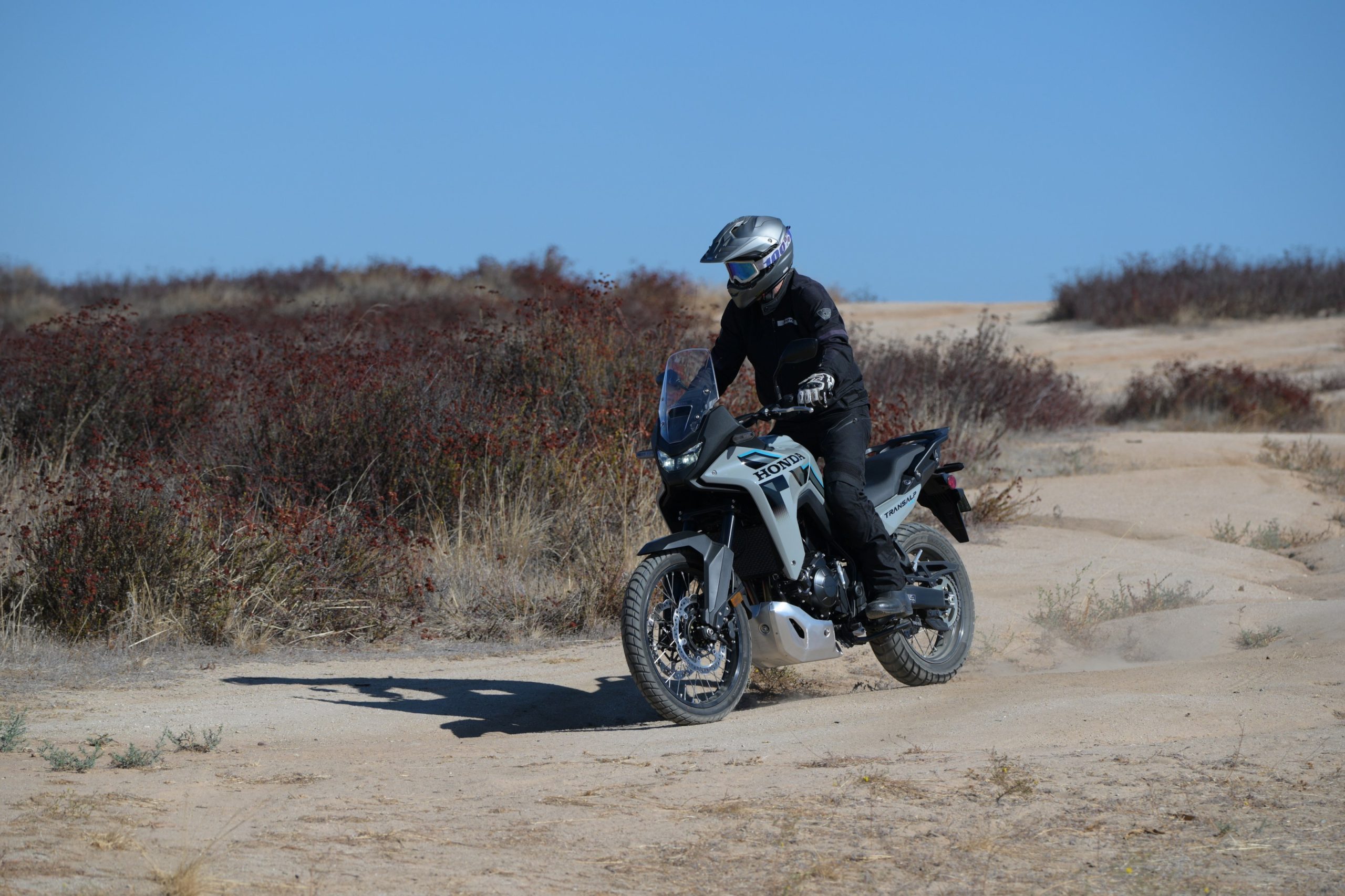
I took the bike off-road, although most of my testing was on the street. Off-road, for an adventure bike in this displacement class, the Honda felt stable and relatively light. As I stated earlier, it has less suspension travel than some of the more dirt-oriented, adventure models, but I never bottomed the fork or the shock. Granted, I wasn’t testing it on a motocross track or at racing speeds off-road. The bike nevertheless clearly demonstrated that most off-road uses will be handled without issue, and the new suspension has damping capable of fairly aggressive riding.
The brakes are more than powerful enough for off-road use, and get the job done on the street. Frankly, you don’t want much more brake power than this with narrow dual sport tires.
I enjoyed riding the Honda so much that I thought about buying one. Pushing the bike hard on local twisty roads, I couldn’t believe how much confidence I had given the relatively narrow tires. The bike is just so balanced and confidence inspiring. Along with that, of course, is the welcome comfort of the adventure ergonomics.
Honda nailed it with this bike. I haven’t had more fun riding a mid-displacement adventure bike. Granted, I mainly used it on-road, but, more than likely, so will you. The bike has a playful nature that puts a smile on your face every time you ride it, while also offering all of the comfort and practicality you could expect.
At a U.S. MSRP of $10,799 (including destination charges), this is a bike you need to take a close look at if you are interested in an adventure model. Take a look at Honda’s website for additional details and specifications.